
Reliability Improvement
Empowering Better Reliability Through Operational Visibility
Understanding asset behaviour, performance trends and operating conditions helps organizations make more informed decisions across maintenance, modernization and long-term asset management initiatives.
Understanding Reliability
Reliability Begins With Understanding How Assets Perform
Improving reliability is not simply a matter of replacing components or increasing maintenance activity. In many industrial environments, performance changes develop gradually through operating conditions, equipment behaviour and process interactions that are not immediately visible. Without sufficient understanding of what is happening within the system, maintenance actions often become reactive rather than informed.
Operational visibility helps transform observations into understanding. By improving awareness of asset condition, system behaviour and performance trends, organizations can make more confident decisions that support reliability, operational continuity and long-term asset value.
Relevant across valve automation systems, instrumentation, digital monitoring technologies, flow control applications and other critical industrial assets where performance, availability and operational awareness influence long-term outcomes.
Operational Visibility
Better Visibility Supports Better Decisions
Improving reliability depends on more than collecting operational data. The real value comes from understanding what information means, how conditions are changing and where action may be required. Greater visibility helps transform observations into insight that supports maintenance planning, modernization priorities and operational decision-making across critical industrial assets.
Monitor
Gain visibility into asset condition, equipment behaviour and operating performance through monitoring technologies, operational data and performance indicators generated across industrial systems.
Understand
Identify trends, deviations and developing issues that may influence reliability, maintenance requirements or system performance before they affect operational continuity.
Improve
Support maintenance, modernization and operational strategies using a clearer understanding of actual asset behaviour, operating conditions and long-term performance trends.
Technology Areas
Technology Areas Supporting Reliability Improvement
Operational visibility is created through the combined contribution of multiple technologies rather than a single device or platform. Monitoring systems, instrumentation, automation architectures and flow control technologies each provide different layers of information that help organizations better understand asset behaviour, operating conditions and long-term performance.
Digital Monitoring & IIoT
Continuous visibility into equipment condition, performance trends and operational data across distributed industrial assets through digital monitoring and IIoT technologies.
Valve Automation Systems
Integrated automation architectures supporting valve operation, feedback, diagnostics and control functions across critical process applications.
Instrumentation & Control
Field instrumentation and control devices that generate operational insight, support monitoring activities and improve understanding of process conditions.
Flow Control Technologies
Flow management technologies that influence process stability, operational efficiency and overall system performance across industrial operations.
Reliability Perspective
Reliability Is More Than Maintenance
Reliability improvement is often associated with maintenance activities alone. However, long-term performance depends on a broader understanding of how assets operate, how systems interact and how decisions are made throughout the asset lifecycle. Operational visibility, technology selection, automation performance and asset knowledge all contribute to sustainable reliability outcomes.
Asset Understanding
Understanding how equipment behaves under actual operating conditions creates the foundation for more informed maintenance, modernization and operational decisions.
Technology Decisions
Selecting appropriate technologies requires consideration of application requirements, operational objectives and long-term lifecycle expectations rather than product specifications alone.
Operational Awareness
Visibility into performance trends, operating conditions and developing issues supports earlier intervention, improved planning and reduced operational uncertainty.
Continuous Improvement
Reliability is strengthened through ongoing learning, evaluation and optimization rather than isolated corrective actions or equipment replacement projects.
Industry Perspectives
Practical Insights From Real Industrial Applications
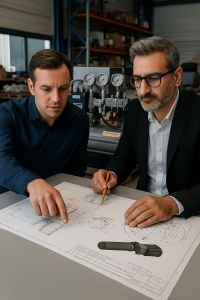
Industrial performance is influenced by a combination of technical, operational and environmental factors. Exploring real-world challenges, application considerations and technology-related topics helps organizations make more informed decisions while supporting long-term operational objectives.
Application Challenges
Explore common operational challenges, performance limitations and practical considerations encountered across industrial process environments.
Technology Perspectives
Learn how automation, monitoring, instrumentation and control technologies are applied within different operational contexts and industrial applications.
Industry Knowledge
Access practical resources covering maintenance strategies, modernization initiatives, shutdown applications and evolving industrial practices.
Explore articles, application insights and technology-related resources from the Nordenflow Knowledge Center.
Explore Knowledge Center