
RELEABLE Solutions
Fluid Control and Process Valves for Industrial Automation Systems
Process Valve Technologies for Controlled Fluid Handling and Industrial Automation
Stable flow control is essential for maintaining process efficiency, actuator response, and operational safety across industrial automation systems. Fluid control valves regulate liquids, gases, steam, and chemically aggressive media under varying pressure, temperature, and operating conditions.
As an authorized distributor of IMI fluid control technologies in Finland, Nordenflow supports process valve solutions for applications requiring accurate media handling, reliable switching behavior, and long-term operational durability in industrial and process environments.
Applied in industrial automation, chemical processing, steam systems, compressed air networks, aggressive media handling, dust filtration, and process control applications
When Fluid Control and Process Valves Become Necessary
Fluid control and process valves become necessary when media behavior, operating pressure, temperature conditions, or automation requirements directly influence process stability and system performance. In many industrial applications, incorrect valve selection can create flow instability, leakage problems, excessive wear, or unreliable actuator response under real operating conditions.
Precise Flow Control Is Required
Industrial systems often require stable and repeatable control of liquids, gases, steam, or compressed air to maintain process consistency and operational efficiency.
Aggressive or Corrosive Media Must Be Handled
Acids, alkalis, steam, and chemically active fluids require valve materials and sealing technologies capable of maintaining long-term resistance under corrosive conditions.
High Pressure or Temperature Conditions Exist
Steam systems, high-pressure process lines, and demanding industrial environments require valve technologies designed for thermal stability and pressure durability.
Automated Valve Operation Is Needed
Solenoid, pneumatic, and electrically actuated valve systems support automated process control, remote operation, and integration with industrial automation platforms.
Contaminated or Difficult Media Affect Valve Reliability
Dust, particulate media, viscous fluids, and contaminated process conditions often require specialized valve configurations resistant to clogging and unstable flow behavior.
Process Stability Depends on Reliable Valve Performance
In many automation systems, valve response behavior directly affects pressure stability, media control accuracy, maintenance intervals, and long-term operational reliability.
In industrial process systems, valve selection depends not only on connection size or pressure rating but also on media characteristics, operating behavior, contamination level, and required control response under real process conditions.
Valve Technologies We Support for Industrial Fluid Control Applications
Different process conditions require different valve technologies. Nordenflow supports fluid control solutions from IMI Norgren and IMI Buschjost for applications involving industrial automation, steam systems, aggressive media handling, compressed air control, and process flow regulation under demanding operating conditions.
Angle Seat Valves
Designed for steam systems, high-temperature service, and contaminated or viscous media where durable flow handling and resistance to clogging are required.
Indirect Solenoid Diaphragm Valves
Suitable for clean liquids and gas systems requiring compact automated flow control with stable pressure differential conditions.
Solenoid-Actuated Flange Valves
High-flow pipeline valve solutions for liquids and gases requiring direct integration into industrial process piping systems.
Pressure Operated Valves
Externally piloted valve technologies for demanding media conditions, higher pressure capability, and applications requiring stable remote actuation.
Motorised Control Valves
Electrically operated valves designed for controlled opening and closing behavior in HVAC, utility, and modulating flow applications.
Dust Filter and Pulse Jet Valves
Specialized high-flow valve solutions for dust collection systems, compressed air pulse cleaning, and industrial filtration applications.
In many industrial systems, valve reliability depends more on matching valve technology to actual media behavior and operating conditions than on pressure rating or connection size alone.
Engineering Selection Factors for Fluid Control and Process Valves
Correct valve selection depends on actual process behavior rather than pressure rating or port size alone. Media composition, differential pressure, temperature exposure, switching characteristics, and installation standards all influence long-term valve reliability, control stability, and maintenance performance within industrial automation systems.
Media Characteristics and Chemical Compatibility
Valve materials, seal selection, and internal flow design must match media behavior including steam, aggressive chemicals, viscous fluids, condensate, and contaminated process media. Stainless steel (SS316), bronze, PTFE, FKM, and EPDM selections are commonly determined by corrosion resistance and temperature exposure.
Operating Pressure and Differential Pressure
Indirect-operated valves often require minimum differential pressure for stable switching performance. Therefore, Cv/Kv flow coefficient, pressure drop behavior, and maximum operating pressure should align with actual system demand and pipeline conditions.
Temperature Stability and Thermal Exposure
Under steam service conditions, thermal instability can affect seal integrity, actuator performance, and valve lifecycle. Thermal cycling resistance, maximum temperature rating, and pressure-temperature relationship should be evaluated during valve selection.
Contamination and Particulate Resistance
Dust, suspended particles, oil residue, and viscous media can create unstable switching, blockage, or premature wear. Angle seat and pressure-operated valves are often selected where contamination resistance and clogging prevention are critical.
Switching Speed and Flow Control Behavior
Fast-switching solenoid valves support rapid automation response, while motorised valves provide controlled opening and closing behavior that helps reduce hydraulic shock and water hammer within piping systems.
Automation and Control Integration
Solenoid, pneumatic, electric, and pressure-operated valve systems should align with PLC, DCS, and automation architecture requirements. Voltage selection, fail-safe logic (NC / NO), and response time influence system integration and shutdown behavior.
Operational Lifecycle and Maintenance Requirements
Valve durability depends on cycle frequency, contamination exposure, media aggressiveness, and switching load. Leakage class performance, seal wear, and maintenance accessibility directly affect long-term operational cost and service reliability.
Connection Standards and Installation Conditions
Valve integration should consider DN sizing, NPT/BSP threaded connections, flange standards, installation orientation, and available mounting space. In hazardous environments, ATEX, PED, IP, and industrial certification requirements may also influence valve selection.
In many industrial process systems, unstable flow behavior and premature valve failure originate from incorrect media compatibility, unsuitable differential pressure conditions, or improper valve technology selection rather than from manufacturing defects alone.
Product Technologies for Industrial Fluid and Process Control
Each valve technology is designed to operate under different media conditions, pressure behavior, and automation requirements. Consequently, selecting the correct valve type improves flow stability, reduces maintenance risk, and supports long-term process reliability across industrial automation systems.
Angle Seat Valves
Designed for steam systems, contaminated media, and high-cycle industrial operation where strong flow capacity and thermal durability are required.
Commonly used for steam, compressed air, aggressive fluids, and viscous media handling applications.
Indirect Solenoid Diaphragm Valves
Compact automated valve solutions for clean liquids and gases operating under stable differential pressure conditions.
Suitable for water systems, neutral fluids, process automation, and general-purpose industrial control applications.
Solenoid-Actuated Flange Valves
High-flow process valves designed for direct pipeline integration and automated control within larger industrial piping systems.
Applied in liquid and gas pipelines requiring higher flow capacity and stable remote operation.
Pressure Operated Valves
Externally piloted valve systems for harsh process environments, aggressive media, and applications requiring reliable remote pressure actuation.
Often selected for higher pressure systems and demanding industrial operating conditions.
Motorised Control Valves
Electrically driven valves supporting controlled opening and closing movement for applications requiring gradual flow regulation and reduced hydraulic shock.
Widely used in HVAC, utility systems, and energy-efficient automation applications.
Dust Filter and Pulse Jet Valves
High-flow pulse discharge valves optimized for industrial dust collection, filtration systems, and compressed-air cleaning applications.
Commonly applied in filtration units, dust collectors, and particulate handling systems operating under repetitive pulse cycles.
Different valve technologies solve different process problems. Therefore, media behavior, contamination level, operating pressure, and required control response should guide valve selection more than valve category alone.
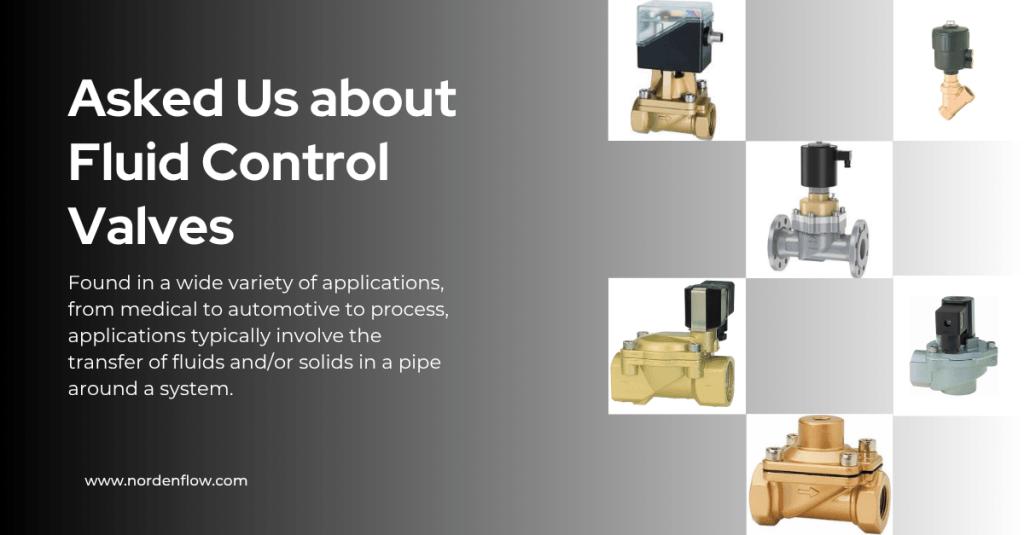
Engineering Comparison Guide for Process Valve Selection
Different valve technologies are optimized for different media conditions, switching behavior, and operating environments. Therefore, selecting the correct valve depends on process temperature, contamination level, response requirements, and automation strategy rather than on valve type alone.
The following comparison highlights the practical engineering differences between common process valve technologies used in industrial fluid handling and automation systems.
| Engineering Factor | Diaphragm Valve | Angle Seat Valve | Motorised Valve |
|---|---|---|---|
| Best Media Type | Clean liquids and gases | Steam, viscous, and contaminated media | Liquids and utility systems |
| Switching Behavior | Very fast response | Fast and durable operation | Controlled gradual movement |
| Steam Handling Capability | Limited | Excellent | Suitable for moderate conditions |
| Contaminated Media Resistance | Moderate sensitivity | High resistance to clogging | Moderate |
| Pressure Shock / Water Hammer | Possible under rapid switching | Moderate | Reduced through slow movement |
| Lifecycle Under Heavy Duty Operation | High in clean service | Very high under demanding conditions | Moderate depending on cycle frequency |
| Main Engineering Advantage | Compact and efficient automated control | Handles steam and aggressive operating conditions | Prevents hydraulic shock and improves modulation stability |
In many industrial systems, unstable flow behavior and premature valve failure originate from mismatched valve technology rather than from incorrect actuator sizing or automation logic alone.
Application Industries and Process Environments
Fluid control and process valves are used across industries where stable media handling, automated flow control, and reliable process operation are essential. Different operating environments require valve technologies capable of handling aggressive fluids, steam, pressure variation, contamination exposure, and continuous automation duty.
Oil & Gas and Energy Facilities
Applied in utility systems, compressed air networks, steam handling, chemical injection, and automated process lines requiring durable valve operation under demanding industrial conditions.
Chemical and Process Industries
Aggressive chemicals, acids, alkalis, and corrosive process fluids require chemically resistant valve materials and stable sealing performance under continuous operation.
Steam and Thermal Utility Systems
Steam applications require valve technologies capable of handling thermal cycling, condensate exposure, elevated temperatures, and stable pressure behavior.
Water Treatment and Utility Infrastructure
Process valves support filtration systems, liquid distribution, dosing applications, and automated water handling across industrial and municipal infrastructure.
Dust Collection and Filtration Systems
Pulse jet and dust filter valves provide rapid compressed-air discharge for industrial filtration systems operating under repetitive cleaning cycles and particulate exposure.
Marine and Offshore Installations
Offshore and marine systems require corrosion-resistant valve construction, stable automation performance, and reliable operation under vibration, humidity, and harsh environmental exposure.
HVAC and Building Automation Systems
Motorised and automated control valves support temperature regulation, flow balancing, and energy-efficient fluid management within heating and cooling systems.
Industrial Manufacturing and Automation
Automated fluid handling systems rely on stable valve switching behavior, repeatable flow control, and long operational lifecycle within continuous industrial production environments.
Different industries expose valves to different operating stresses. Consequently, media characteristics, thermal conditions, contamination level, and automation requirements should define valve technology selection for long-term operational reliability.
Define Your Process Valve and Media Control Requirements
Valve performance depends heavily on media characteristics, pressure behavior, operating temperature, and automation requirements. Accurate application data helps identify the correct valve technology for stable flow control, reliable switching performance, and long-term operational durability.
• Media type (liquid, gas, steam, aggressive or contaminated fluid)
• Operating pressure, temperature, and differential pressure conditions
• Required valve function (on/off, modulating, pilot-operated)
• Actuation method (solenoid, pneumatic, electric, pressure-operated)
• Connection type, pipeline size, and installation conditions
• Existing performance issues such as leakage, instability, clogging, or water hammer
In many process systems, unstable flow behavior and premature valve failure originate from incorrect valve technology selection rather than from actuator or automation problems alone.
Submit Valve Application Details